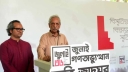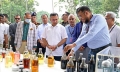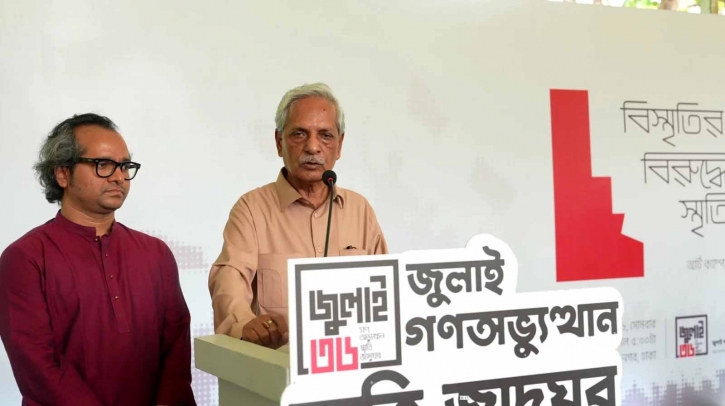
Cultural Affairs Minister Nitai Roy Chowdhury today inaugurated a daylong art camp titled "Memory Against Oblivion" (Bismritir Biruddhe Smriti).
Cultural Affairs Minister Nitai Roy Chowdhury today underscored the vital role of artists in preserving the memories of the July mass uprising and highlighting its significance for future generations.
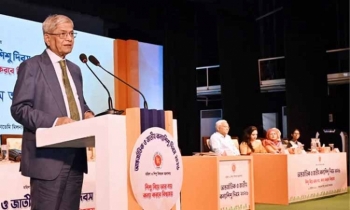
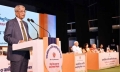
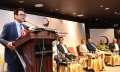
"Students, working-class people, day labourers and people from all walks of life spontaneously joined the July movement . . . Their collective struggle and sacrifices led to the fall of a fascist regime," he said while inaugurating a daylong art camp titled "Memory Against Oblivion" (Bismritir Biruddhe Smriti), organised by the July Mass Uprising Memorial Museum on its premises here.
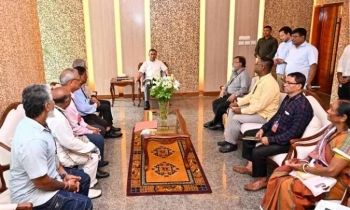
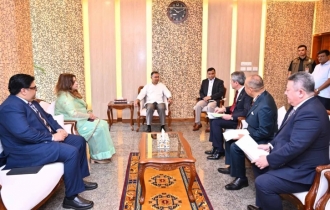
Prime Minister's Cultural Affairs Adviser Dr. Zahed Ur Rahman and the museum's Director General Ehsan Mahmud were present at the event.
After visiting the art camp, the minister said the July mass uprising would remain a significant chapter in Bangladesh's democratic history, with artists playing a vital role in preserving its memories.
Dr. Zahed Ur Rahman said the museum had set an inspiring example by organising the art camp beyond its regular activities to bring together visual artists.
"Artists are creating paintings depicting the mass uprising on the museum premises, allowing visitors to view the artworks and learn about the sacrifices of those killed during the movement," he said, adding that the museum would preserve the artworks.
The Prime Minister's adviser said the art camp had added a significant dimension to the aspiration for inclusive cultural practices that emerged from the July mass uprising.
Museum Director General Ehsan Mahmud said the venue hosting the art camp had once served as a centre for the activities of the autocratic government, giving the initiative particular historical significance.
He said art and literature had been used during the authoritarian rule in an attempt to make citizens forget their rights and history as well.
However, the August 5 mass uprising demonstrated that history could not be erased despite such efforts, he continued.
"Over the past 16 years, attempts were made to make people forget many things through the use of art and literature. This initiative is part of the struggle of memory against forgetting," he added.
Artists participating in the camp include Nasim Ahmed Nadvi, Naima Haque, Samia Afrin, Joytu Chakma, A. Asen, Imam Hossain, Nazia Andalib Prema, Kazi Salahuddin Ahmed, Khandaker Nasir Ahmad, Abdul Halim Chanchal, Tamanna Liza, Amal Akash, Mostafa Zaman, Mostafizul Haque, Farzana Ahmed Uma, Syed Zahid Iqbal, Faria Khanam, Md Arman Chowdhury, Nazmun Nahar Paya, Sumon Halder, Momin Mukter and Jafrin Gulshan.