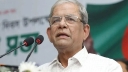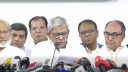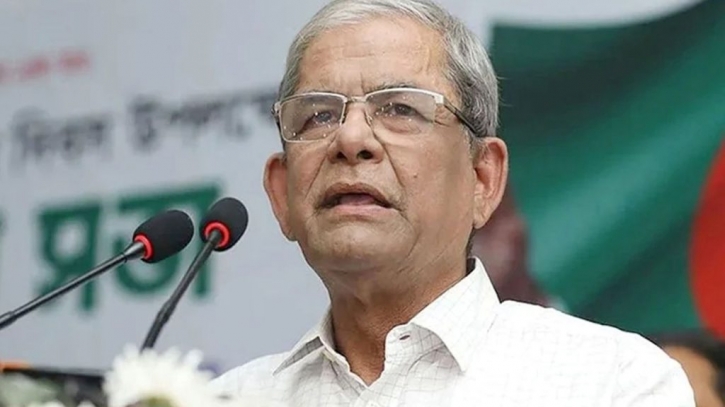
BNP Secretary General and Local Government Minister Mirza Fakhrul Islam Alamgir has described the proposed budget for 2026-27 as a “creative budget” that is production-friendly, investment-friendly, and business-friendly. Reacting to the budget in his chamber at the Parliament building on Thursday night, Fakhrul said the budget has been prepared considering the welfare of all classes of people.
“This is a creative budget. We have never seen such a budget before. The concessions and rebates given this time are unprecedented,” he said. Highlighting allocations in education, health, and other sectors, the BNP secretary general expressed hope that the budget would quickly energise the economy. “We hope that Bangladesh’s economy will recover very soon,” he said. Fakhrul noted that the budget was prepared under the direction of Prime Minister Tarique Rahman, incorporating his ideas, with Finance Minister Amir Khosru Mahmud Chowdhury and the entire finance ministry working collaboratively.
Fakhrul highlighted the Family Card initiative as a “huge undertaking”, under which approximately 41 lakh female heads of households will receive cards in the next fiscal year, with an allocation of Tk1,338 crore. Similarly, Farmer Cards have been introduced, with each farmer to receive Tk2,500. Honorariums will be provided monthly to mosques and other places of worship. Canal excavation for irrigation, water conservation, and fish farming have also been encouraged.
“The biggest thing for me is the incentives given to those who will produce and invest in various sectors of domestic production – such incentives have never been given before,” Fakhrul said. He noted that duties have been imposed on imports to protect domestic production, ensuring full protection for local industries. Fakhrul praised the new emphasis on the creative economy, saying national team players are being given monthly honorariums, Notun Kuri Sports will be organised, and inter-school sports are being revived.
Under the “One Village One Product” initiative, all types of creative products – pottery, weaving, cool mats, satranji – will be identified and marketed. A world-class “Creative Hub” will be established on 160 acres in the eastern part of the capital. “I believe these entirely new ideas will take our economy far forward,” he said. Fakhrul noted that the education sector’s share has been increased to 2 per cent of GDP and the health sector to 1.01 per cent, which he believes will bring significant changes to both sectors.
Fakhrul said regulatory hurdles that made businessmen uncomfortable have been removed, allowing them to conduct business comfortably. Customs will be fully automated, and the taxpayer base is being greatly expanded. “This budget will undoubtedly bring about a revolutionary change in Bangladesh’s economy,” he concluded. On inflation, he said, “If production increases, inflation will automatically decrease.