The demand for spices in the country has skyrocketed as the Muslim community eagerly prepares for the upcoming festival of Eid-ul-Azha. Consumers are bracing themselves for abnormally high prices as the spice market grapples with a surge in costs.
Recent domestic and international economic crises, coupled with import issues, have pushed up spice prices to record levels.
Eid-ul-Azha holds immense significance for Muslims, with food products witnessing a surge in demand during this festive period. Spices, in particular, experience a substantial increase in sales during Eid-ul-Azha. While Bangladesh has achieved self-sufficiency in livestock for Eid-ul-Azha sacrifices, the spice market continues to face challenges due to the Russia-Ukraine war, the dollar and LC (letters of credit) crises, leading to reduced imports.
Sources within the market revealed that around 90% of spices used in Bangladesh are dependent on imports.
Although the country produces some spices on a limited scale, it fails to meet the growing demand. Consequently, spices need to be imported from the global market.
The ongoing crises in Syria and Afghanistan have further contributed to the surging demand for spices, particularly hot spices, in Bangladesh.
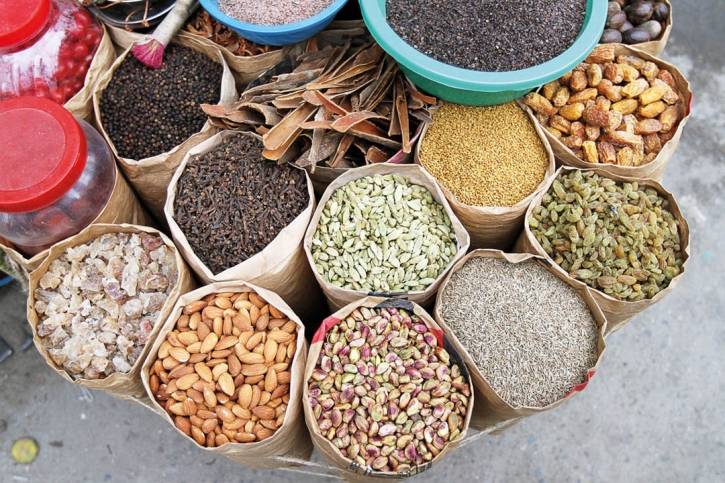
Dry hot spices in high demand include cumin, cinnamon, cardamom, pepper, bay leaves, cloves, dried whole chilies, dried whole turmeric, mustard and coriander. While mustard, black cumin, sweet cumin, bay leaf, pepper, turmeric, and coriander are produced domestically, they still need to be imported to meet domestic demand.